
Sonic, in Control
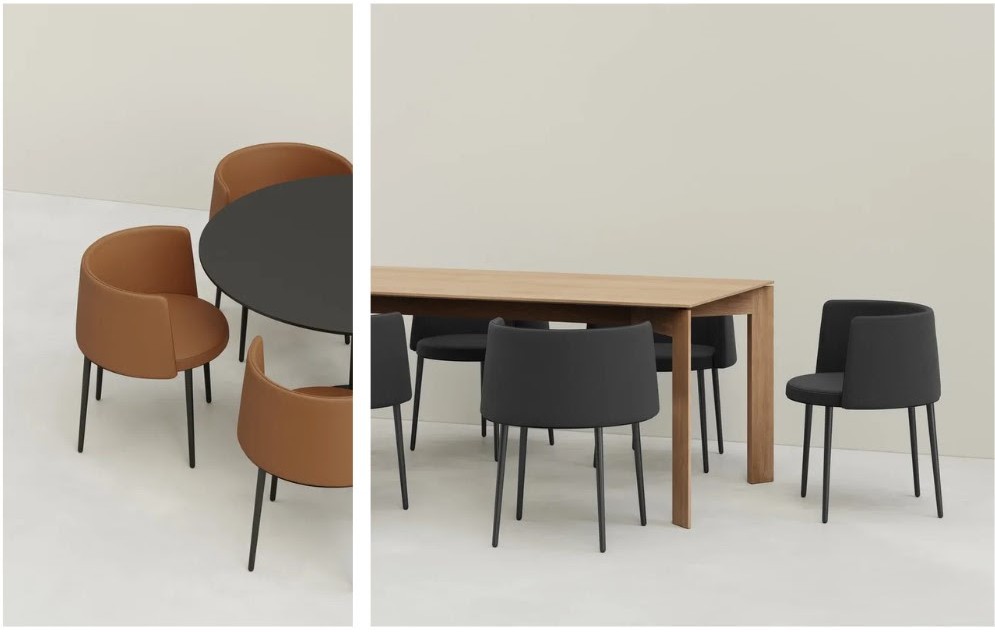
The base changes everything. With the Sonic Chair from Branca, the decision between fixed legs and casters isn’t a secondary detail, it’s the organizing idea. That choice quietly determines how the chair behaves in space, how it circulates, and how it supports the rhythm of shared interiors.
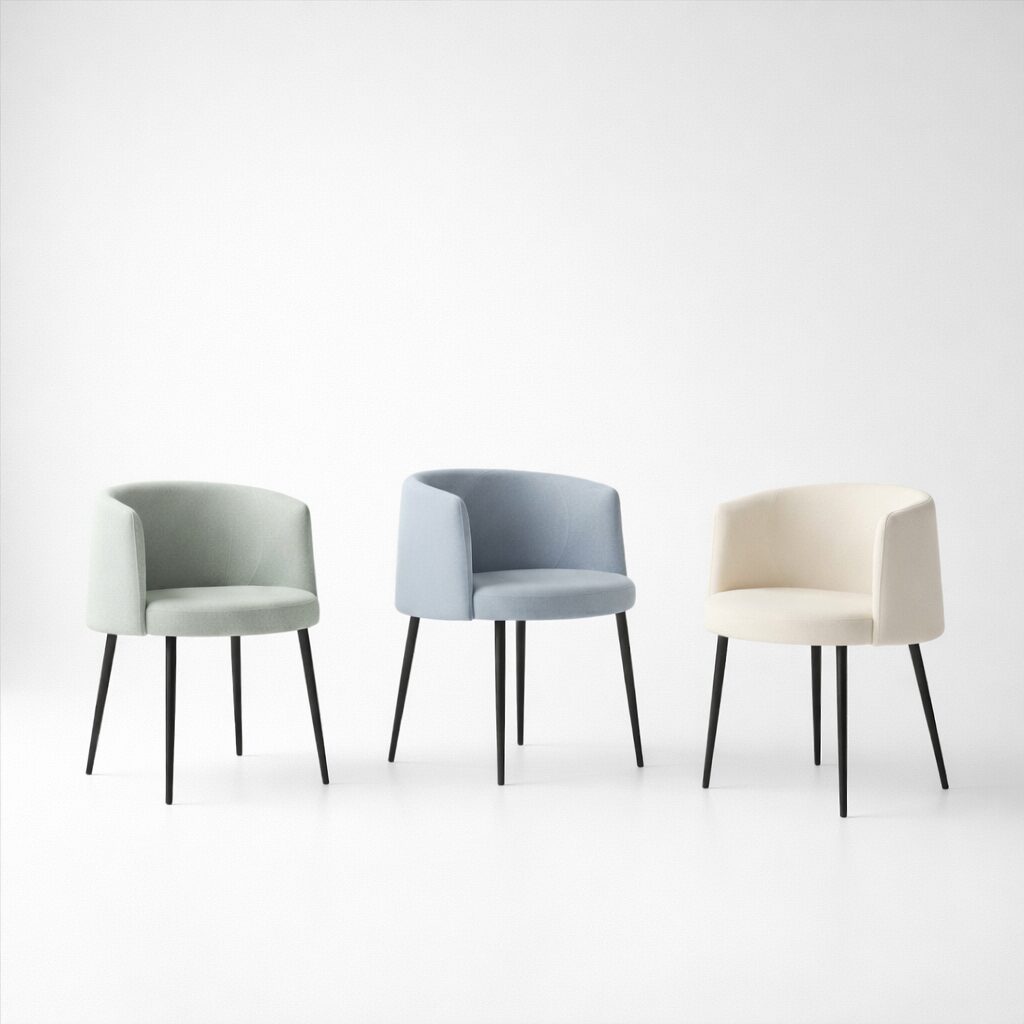
Designed by Marco Sousa Santos, Sonic reads at first glance as a compact upholstered armchair, but its clarity comes from geometry rather than bulk. A single continuous curve defines the backrest, wrapping the seat in one controlled motion. The line feels drawn, not molded, giving the chair a composed silhouette that holds up under repetition.
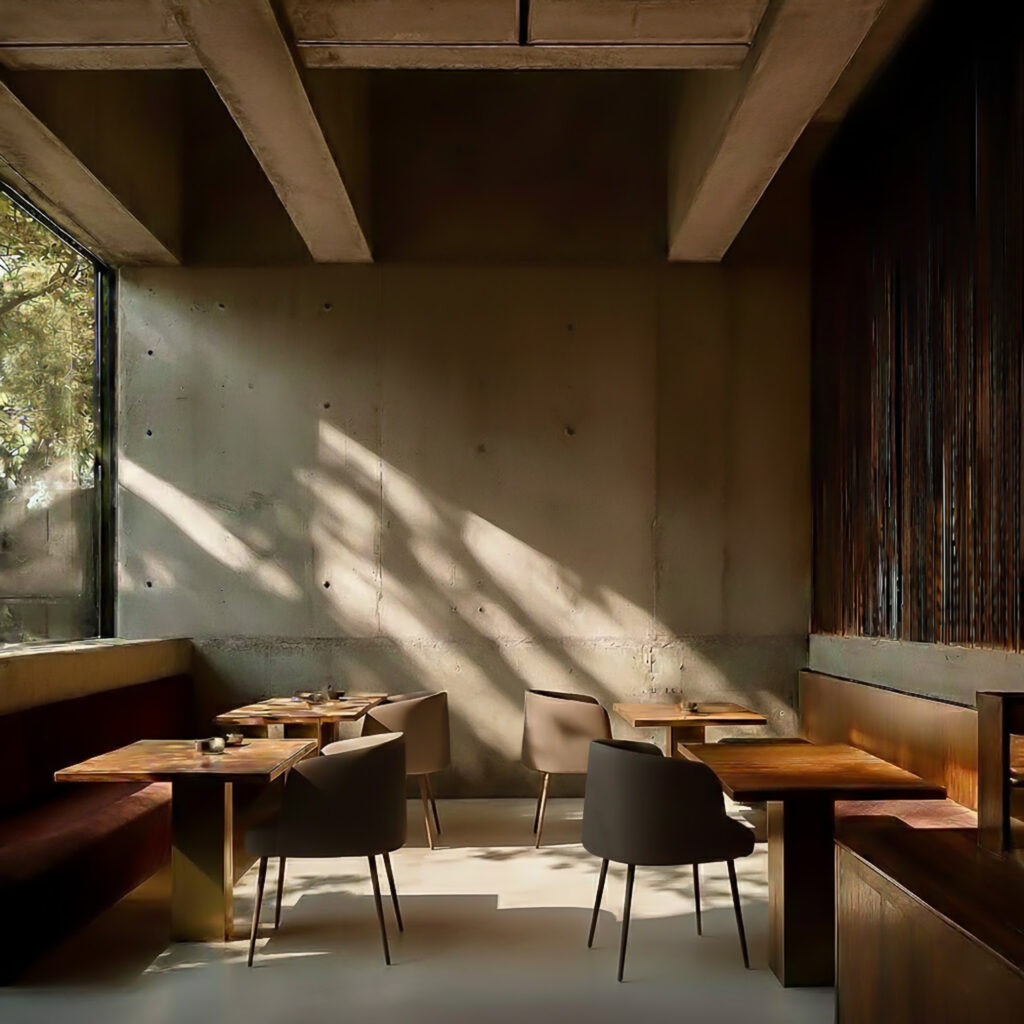
One Sonic chair is handsome. Six of them is where the design clicks. Around a dining table or café setting, the profile stays consistent without becoming heavy. The scale is polite, the posture upright, and the form confident enough to repeat without visual fatigue.
Material balance does the rest of the work. Upholstery carries comfort and presence, while the slim metal base keeps the chair visually light. The pyramid legs read architectural and grounded. The loop base with casters shifts the tone entirely, making Sonic more fluid and adaptable for collaborative or hospitality environments where movement matters.
What makes Sonic compelling for commercial interiors is its restraint. It doesn’t borrow from lounge seating or task chairs. It sits comfortably in between, designed for dining, meeting, and lingering without overcommitting to any single use. There’s a quiet lineage here, too. Sonic feels like a natural evolution from Branca’s earlier seating explorations, such as the Aranha Chair.
Sonic doesn’t shout. It controls the geometry, then lets designers take it from there.
Images Courtesy of Branca


Ready to spec what you see? Try Designer Pages PRO free for 30 days.
Related Posts


Leave a Reply