

Togo Moves Forward Without Changing Shape
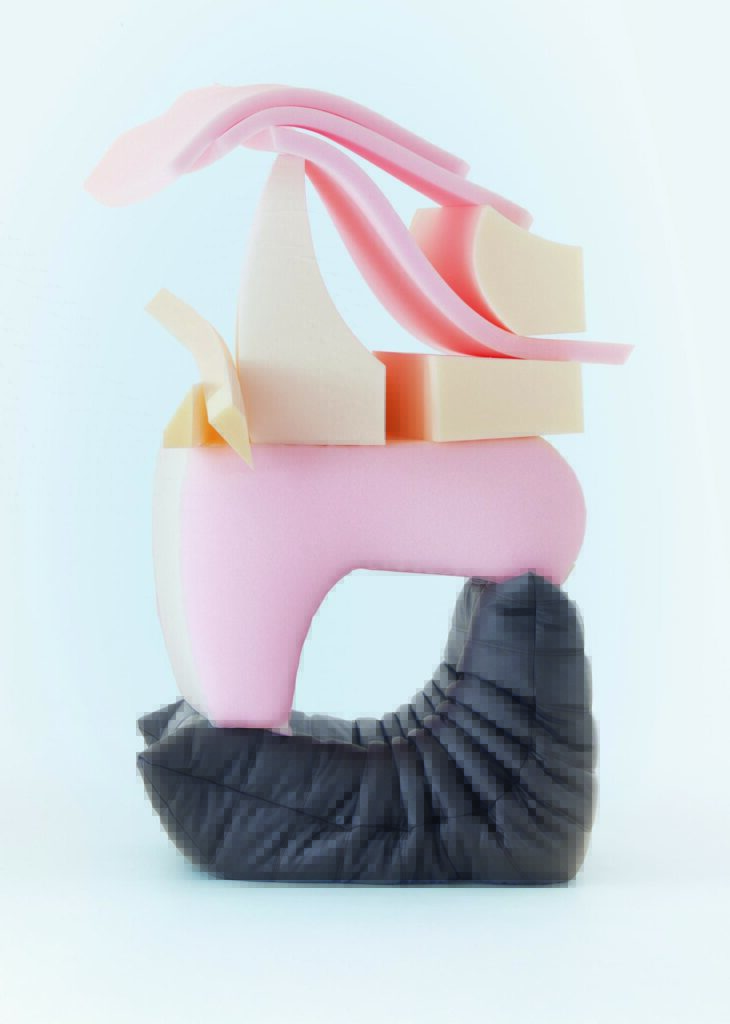
Fifty years on, Ligne Roset’s Togo still feels like a provocation. Now, it’s also a statement about material responsibility. The brand has reworked its iconic form using foams partially derived from post-consumer recycled materials.
The shift is technical, not cosmetic. The Togo remains that low, pleated, all-foam lounge system that rejects structure in favor of pure comfort. In its latest iteration the composition beneath the upholstery evolves. Using a mass balance approach, recycled inputs are integrated into the broader production stream, allowing roughly 50 percent sustainable content while maintaining performance. The seat still sinks. The lines still hold.
That matters for specifiers. Foam-heavy pieces have historically been harder to reconcile with sustainability targets. Here, the update preserves the product’s identity while reducing impact, saving more than 400 tons of CO2 annually. It is a meaningful adjustment to a category that rarely evolves behind the scenes.
Ligne Roset extends the thinking further with its (Re) program, which restores and reupholsters existing Togos for continued use. Longevity becomes part of the design language. Not just how it looks, but how long it lasts and how it cycles back.
There is a reason the Togo has persisted since 1973. It occupies space differently. It encourages informal use, flexible layouts, and shared lounging. In commercial settings, that translates easily, from hotel lobbies to residential-style amenity areas.
For more on its earlier iterations, revisit this floral take, which shows how far the form can stretch without losing its core identity.
The update does not reinvent the Togo. It refines what sits beneath it, and that is exactly the point.
Images Courtesy of Ligne Roset


Ready to spec what you see? Try Designer Pages PRO free for 30 days.
Related Posts



Leave a Reply